Turkish Carpets vs Kilim: How to Identify Quality, Materials and Authentic Styles in Turkey
Turkish Carpets vs. Kilim: How to Identify Quality, Materials, and Authentic Styles in Turkey
Turkey is one of the world’s most important destinations for handmade carpets and kilims. Many travelers search for a Turkish rugs guide, kilim meaning, how to identify handmade carpets, and where to buy rugs in Turkey before visiting. A real Turkish rug is more than decoration—it reflects Anatolian culture, regional identity, and centuries of craftsmanship.
Understanding the difference between carpets and kilims helps travelers make informed choices and avoid common mistakes during shopping. Visiting traditional markets such as the Grand Bazaar or museums like the Museum of Turkish and Islamic Arts can significantly improve your ability to recognize authentic pieces.
This guide explains the structure, materials, weaving techniques, and regional styles of Turkish rugs so you can shop with confidence.
What Is the Difference Between a Turkish Carpet and a Kilim?
The main difference between a Turkish carpet and a kilim lies in weaving technique and surface structure.
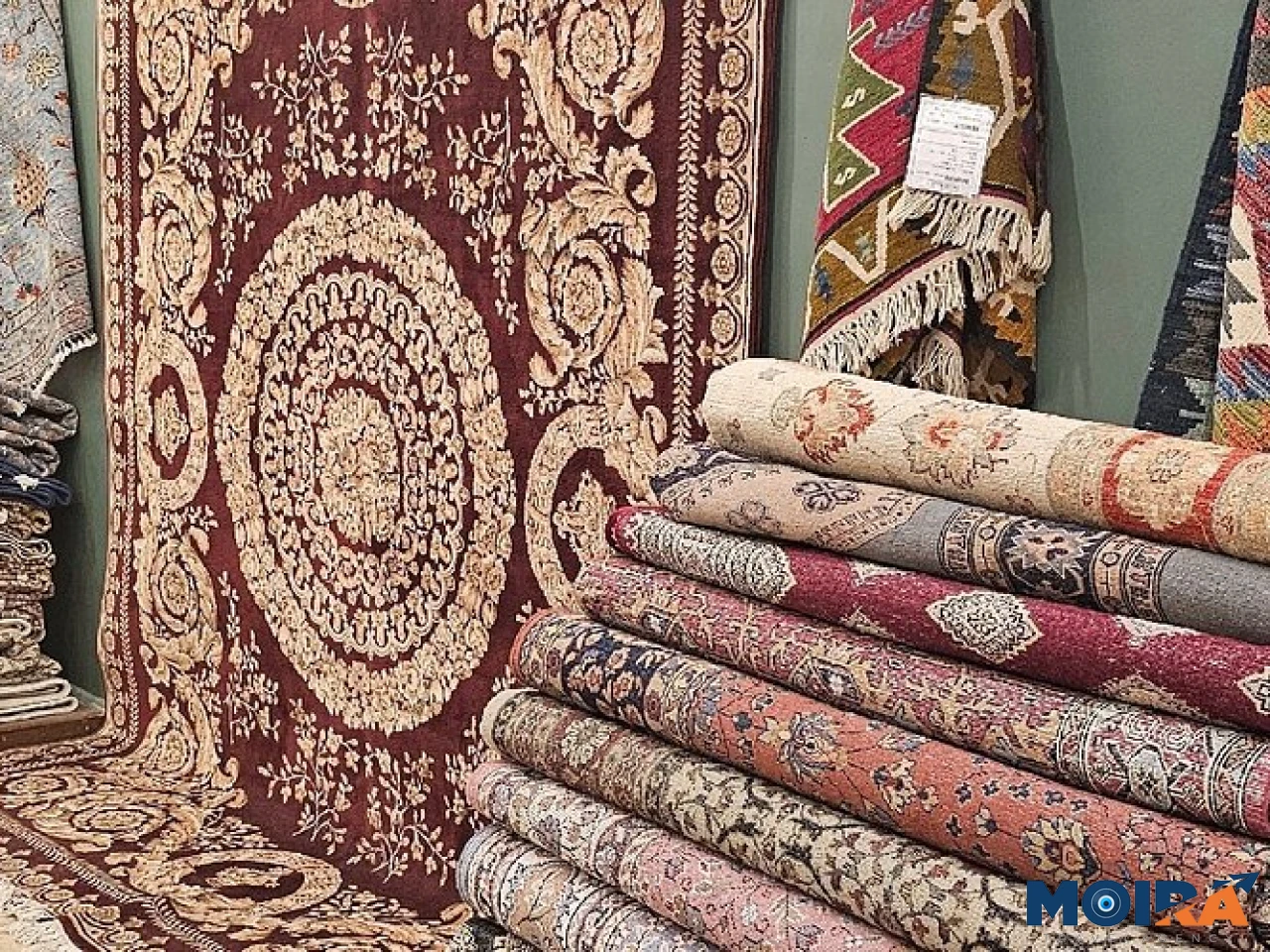
A Turkish carpet has a pile surface created by knots tied around warp threads. These knots form a soft and thick texture. The most common knot used is the Turkish knot, also known as the Ghiordes knot, which gives durability and symmetry.
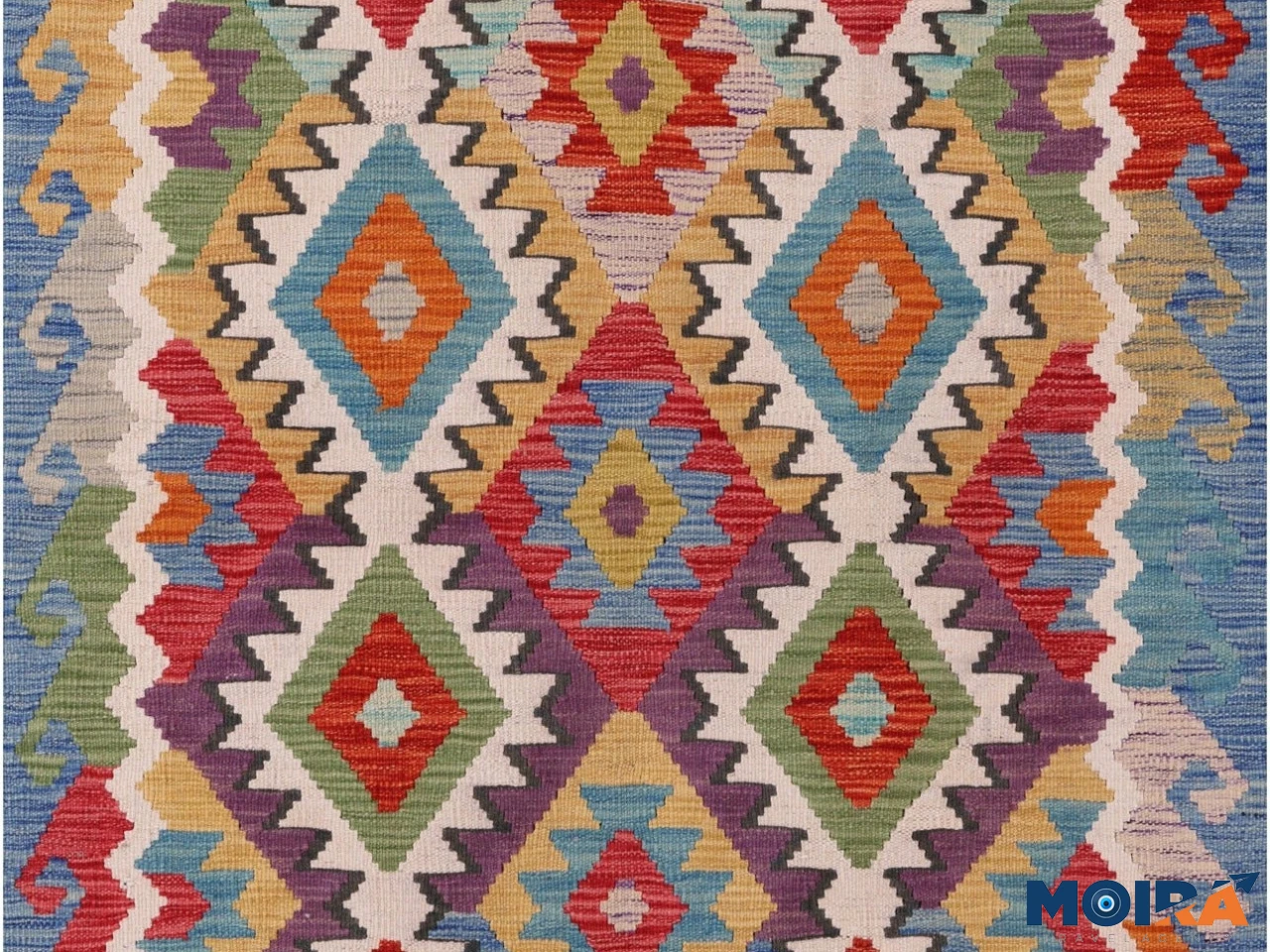
A kilim, on the other hand, is a flat-woven textile without knots. Instead, colored weft threads pass back and forth across the warp threads to create geometric patterns.
Key structural differences
Turkish carpets
- Have raised pile surfaces
- Feel soft underfoot
- Show detailed floral or medallion motifs
- Are thicker and heavier
Kilim rugs
- Have flat surfaces without pile
- Are lighter and easier to transport
- Feature geometric tribal designs
- Work well as wall hangings or decorative floor coverings
Because kilims are thinner, they are especially popular among travelers who want to bring home authentic handmade textiles without carrying heavy luggage.
Why Turkish Carpets Are Important in Anatolian Culture
Turkish carpets are not only artistic objects—they are historical documents woven in wool and silk. Each rug tells a story about daily life, beliefs, and regional traditions in Anatolia.
Carpet weaving traditions date back to the Seljuk period and continued through the Ottoman Empire, shaping one of the richest textile cultures in the world. Motifs often symbolize protection, fertility, family unity, or nature.
Regional weaving identities developed across Anatolia, creating distinctive styles still recognized today.
Examples include:
- geometric tribal patterns from Central Anatolia
- floral court designs from western regions
- symbolic nomadic motifs from eastern villages
These traditions remain an important part of Turkey’s intangible cultural heritage and are still practiced by artisan communities.
How to Recognize a Handmade Turkish Rug
One of the most common questions travelers ask is:
How can I tell if a Turkish rug is handmade?
There are several reliable indicators.
1. Check the back of the rug
A handmade rug shows the same pattern on both sides. Knots are visible and slightly irregular. Machine-made rugs usually have uniform stitching and synthetic backing.
2. Examine the fringe
In authentic rugs, fringe is part of the foundation threads. It is not sewn afterward. Artificial fringe often indicates machine production.
3. Look for natural irregularities
Small pattern variations are normal in handmade rugs. These imperfections confirm human craftsmanship.
4. Feel the materials
Traditional Turkish rugs typically use:
- wool
- cotton foundation
- silk (in fine carpets)
Natural fibers feel softer and warmer than synthetic alternatives.
5. Observe abrash color variation
Hand-dyed wool often creates gentle tonal shifts called abrash, a sign of natural dye usage and authenticity.
Materials Used in Authentic Turkish Carpets
Material quality directly affects durability, value, and appearance.
Wool rugs
The most traditional material in Anatolian weaving. Wool carpets are durable, warm, and suitable for daily use.
Cotton foundation
Cotton is often used in warp and weft threads to stabilize structure and improve longevity.
Silk carpets
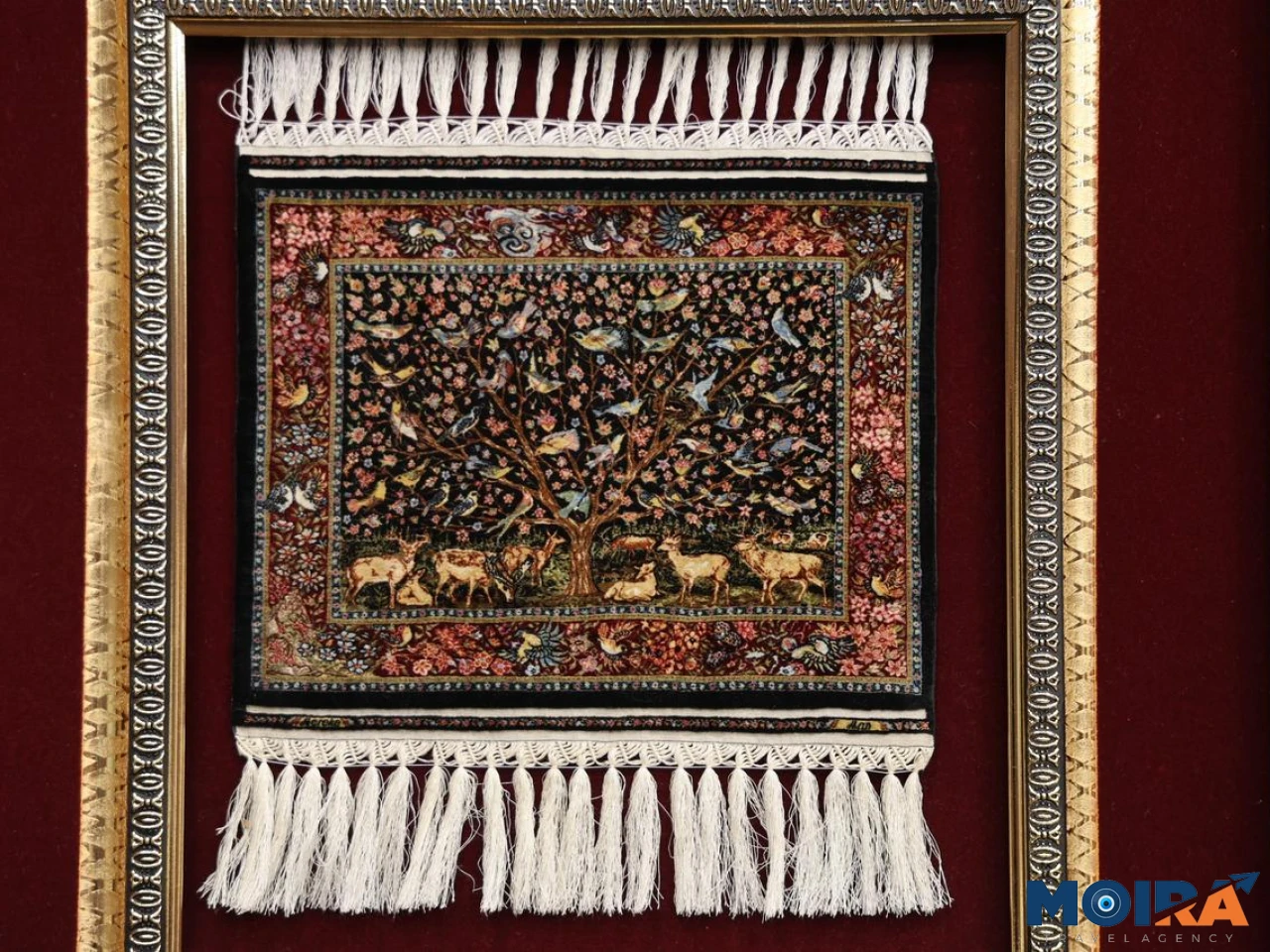
Silk rugs are extremely fine and decorative. They contain higher knot density and intricate patterns, often produced in specialized weaving centers like Hereke.
Natural dyes vs synthetic dyes
High-quality carpets traditionally use dyes derived from:
- plants
- roots
- insects
- minerals
Natural dyes age beautifully and develop softer tones over time.
Understanding Knot Density and Why It Matters
Knot density refers to the number of knots per square centimeter or square inch. Higher knot density allows greater detail and increases rug value, especially in silk carpets.
However, density alone does not determine quality.
Other factors include:
- wool quality
- dye origin
- weaving tension
- pattern complexity
- regional tradition
A balanced combination of these elements creates a superior handmade rug.
Famous Turkish Carpet Regions and Styles
Turkey’s weaving heritage includes many regional styles. Each region produces recognizable motifs and color palettes.
Hereke carpets
Known for silk weaving and extremely high knot density. Often feature floral Ottoman palace-inspired patterns.
Usak carpets
Recognized by soft tones and large-scale medallion compositions. Popular historically in European collections.
Bergama carpets
Display bold geometric motifs and strong natural colors reflecting village traditions.
Konya carpets
Represent one of Anatolia’s oldest weaving centers with symbolic tribal patterns.
Kayseri carpets
Combine cotton foundations with silk highlights, creating refined decorative designs.
Learning these regional differences helps travelers identify authentic origins while shopping.
Where to Buy Turkish Carpets Safely
Buying a Turkish carpet can be an enjoyable cultural experience when done carefully.
Recommended steps include:
Visit a carpet museum first
Museums help train your eye before entering shops. The Museum of Turkish and Islamic Arts holds one of the world’s finest historic carpet collections.
Compare multiple stores
Avoid purchasing from the first shop you visit. Comparing styles improves decision-making.
Ask detailed questions
Reliable sellers explain:
- origin
- material
- knot technique
- dye source
- weaving region
Transparent answers usually indicate trustworthy businesses.
Avoid prices that seem too low
Extremely cheap rugs are rarely handmade. Synthetic fibers reduce value significantly.
Should You Buy a Rug in Istanbul or Cappadocia?
Both destinations offer excellent opportunities to purchase authentic handmade carpets.
- wide selection
- historic bazaars
- antique specialists
- museum references nearby
- workshop visits
- weaving demonstrations
- regional kilim varieties
- cooperative artisan production
The most important factor is seller reliability rather than location.
Kilim Rugs: Why Travelers Prefer Them
Kilim rugs are especially popular among international visitors because they are practical and lightweight.
Benefits include:
- easy transport
- affordable pricing
- strong geometric aesthetics
- versatile decorative use
- authentic tribal symbolism
Many kilims represent nomadic heritage and reflect centuries-old Anatolian storytelling traditions.
Tips for First-Time Turkish Rug Buyers
Before purchasing a rug in Turkey, keep these practical suggestions in mind:
- check the backside carefully
- confirm fiber type
- ask about natural dyes
- compare at least three shops
- request origin information
- avoid pressure sales
- take your time deciding
A thoughtful purchase becomes both a meaningful souvenir and a long-term investment piece.
Frequently Asked Questions About Turkish Rugs
Is a kilim better than a carpet?
Neither is better. Carpets are softer and thicker. Kilims are lighter and more graphic in design. Choice depends on intended use.
Do authentic Turkish rugs always use natural dyes?
Not always, but high-quality handmade rugs traditionally use vegetable-based dyes that age beautifully.
How long does it take to make a handmade carpet?
Depending on size and knot density, production may take several months to over a year.
Are silk carpets more valuable than wool carpets?
Usually yes, because silk allows finer detail and requires more labor-intensive weaving techniques.
Discover the Art of Turkish Carpets During Your Trip
Exploring Turkish carpets is one of the most rewarding cultural experiences in Turkey. From village weaving traditions to Ottoman silk masterpieces, every rug reflects history, craftsmanship, and regional identity.
Visiting authentic workshops, museums, and historic bazaars allows travelers to understand the difference between carpets and kilims before making a purchase. With the right guidance, selecting a handmade rug becomes not just shopping—but discovering living heritage.
If you plan to explore traditional markets, artisan ateliers, and historic textile collections during your trip to Turkey, adding a guided cultural shopping experience can make the journey even more meaningful.